
Introduction
Unravelling compressed tea may be daunting if you’ve only been exposed to tea bags and loose-leaf tea. This guide will enlighten you to the ingenious yet simple beauty of compressed tea.
What Are Compressed Teas?
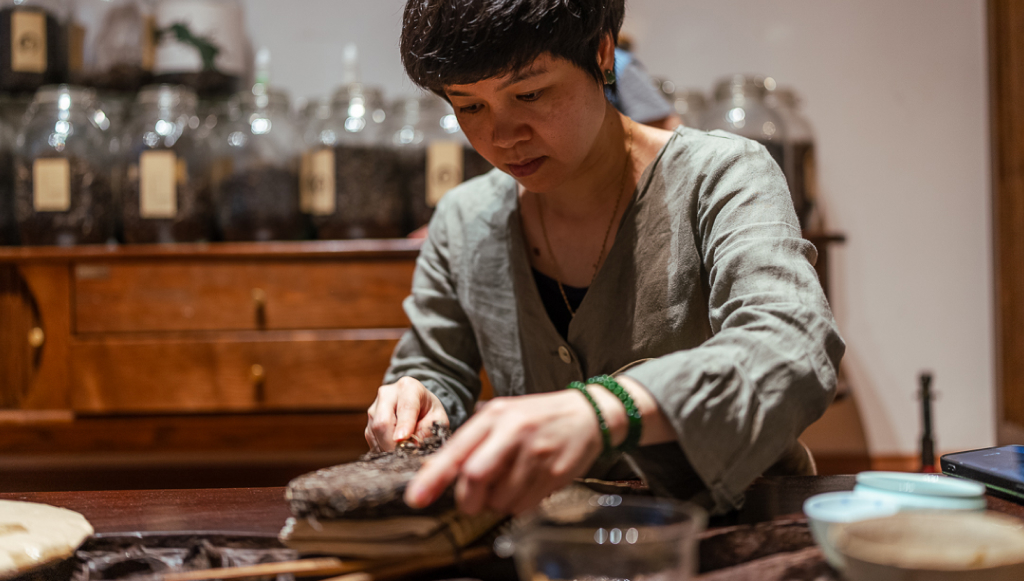
Compressed tea is exactly what it sounds like: tea leaves that have been pressed into solid forms using steam, and pressure. This practice originated in ancient China, primarily for two reasons: preservation for long-distance trade (especially along the Ancient Tea Horse Road), and improve aging potential for teas that improve over time.
What Are The Benefits of Compressing Tea?
- Aging & Fermentation: Compression slows oxidation, allowing for gradual transformation.
- Space Efficiency and storage: Reduces space for storage in aging
- Flavor Concentration: Creates unique micro-environments within the cake
- Tradition & Ritual: The process of breaking and preparing is meditative
- Convenience: Smaller tea balls or discs offer single servings
How to Properly Handle Compressed Tea
Tools you’ll need:
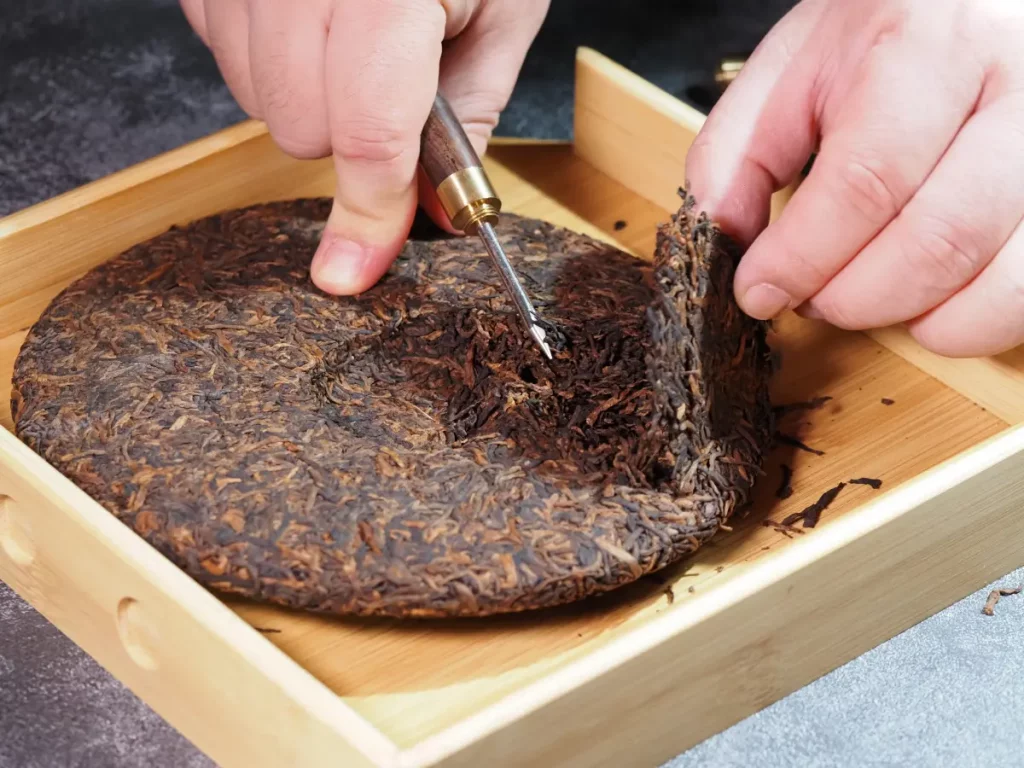
- Tea pick or sharp thin object to pry tea apart
- Airtight storage container for broken pieces
The right technique:
- Have clean, dry hands
- Insert the pick parallel to the cake’s layers, not perpendicular
- Gently wiggle and lever to separate a piece minimising shredding leaves
- Before brewing tea leaves always flash rinse the tea initially with boiling water to awaken and open the tea leaves (especially recommended for aged teas)
- Brew as you would normally brew leaves but ideally brew with gongfu tea method
It’s Not As Hard As It Looks: Give it a Go
Yes, tea compressed tea ideally has a process and special tools. But at it’s core it’s just breaking tea with a sharp thin object for a desired serving and boiling the tea. This isn’t brain surgery give it a go and you’ll intuitively learn as you go. It’s just tea in a different shape.
Tea Cakes (Bing Cha): The Classic Shape
What they are: The most traditional form for pu-erh tea, pressed into round, disc-like cakes. Standard size is 357 grams (a historical measurement), but they range from 100g mini-discs to 200g etc.
Characteristics:
- Often feature beautiful embossed designs or “neifei” (paper tickets pressed into the cake)
- Designed for aging— often evolving over decades
- Require breaking with a tea pick or knife
How to Handle and Brew:
- Insert your tool horizontally into the cake’s edge or seam
- Lever gently wiggling to loosen leaves rather than breaking them
- Flash Rinse quickly with boiling water to awaken and open tea leaves (especially important for aged teas)
- Dispose of the rinse water
- Brew using your preferred method—though multiple short infusions work best
Mini Tea Discs or Tea Balls
What they are: Individual servings of tea compressed into small spheres or discs, typically between 5-10 grams each.
Characteristics:
- Unfold dramatically when steeped—a visual spectacle
- Usually made with white tea, raw pu-erh, or shou pu-erh
- Convenient serving sizes
Brewing Options:
Option 1: Brew Whole
- Place entire disc/ball in your vessel
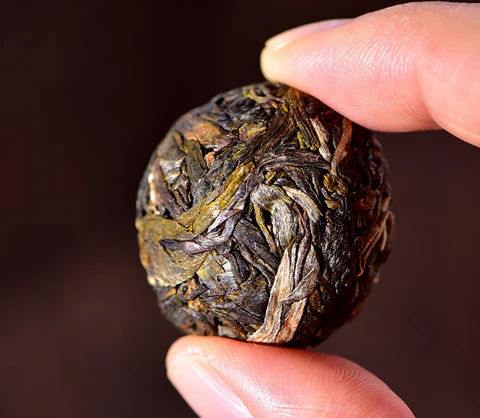
- Note: This is greater than a single 2g western serving so tea so adapt tea-to-water ratio based on taste – diluting if necessary
- Ideal for gongfu brewing with multiple short infusions or larger teapots for sharing
Option 2: Break Apart
- Use a sharp thin object to separate as you would for a tea cake above
- Then Brew
It’s Not Hard: It’s Only Tea in a Different Shape
So go ahead—pick a form, break off a piece, and discover what generations of tea drinkers have known: good things come in small packages.