
Tea is more than a drink – it is a ritual. From observing the leaves and inhaling their aroma to watching each infusion unfold, it engages all the senses. Notice the shape, color, and texture of the leaves before they meet the water. Watch the liquid deepen, releasing layers of aroma and flavor. With each sip, taste the subtle notes—the sweetness, earthiness, or floral and vegetal tones that reflect the care and life of the tea leaves. Mastering the art of brewing ensures every cup honors the leaves and their craftmanship.
1. Do I Need Special Teaware?
You don’t need anything fancy to enjoy our teas, though the right tools can elevate your experience:
- Essential: A cup or mug with a strainer (metal or disposable tea bag).
- Optional but recommended: A teapot for Western-style brewing or a gaiwan for traditional Gong Fu brewing.
Teaware helps control steeping and enhances the ritual, but even a simple cup with a strainer can deliver an excellent cup of tea.
2. How to Brew Tea
There are several ways to brew tea, depending on your setup and how involved you want to be.
Method 1: Metal Strainer or Disposable Tea Bag (Simplest)
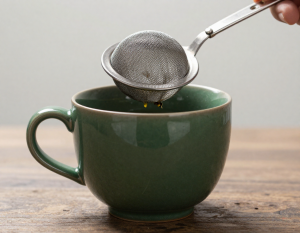
Equipment Needed: Cup/mug, metal strainer or disposable tea bag
Steps:
- Boil water (temperature specific to tea type).
- Measure 1–3 g tea (≈1 tsp).
- Pour water over the tea.
- Steep for the recommended time, adjusting based on color.
- Remove strainer to prevent over-steeping.
- Taste and adjust—add more water if too strong or steep slightly longer if too light.
Steeping Table:
| Tea Type | Water Temperature | Steeping Time |
|---|---|---|
| White tea | 80–95 °C | 3–5 min |
| Green tea | 80–85 °C | 2–3 min |
| Black tea | 100 °C | 4–5 min |
| Raw Pu’erh (Sheng) | 85–100 °C | 3–4 min |
| Ripe Pu’erh (Shou) | 100 °C | 3–5 min |
Method 2: Teapot Brewing (Most Common)
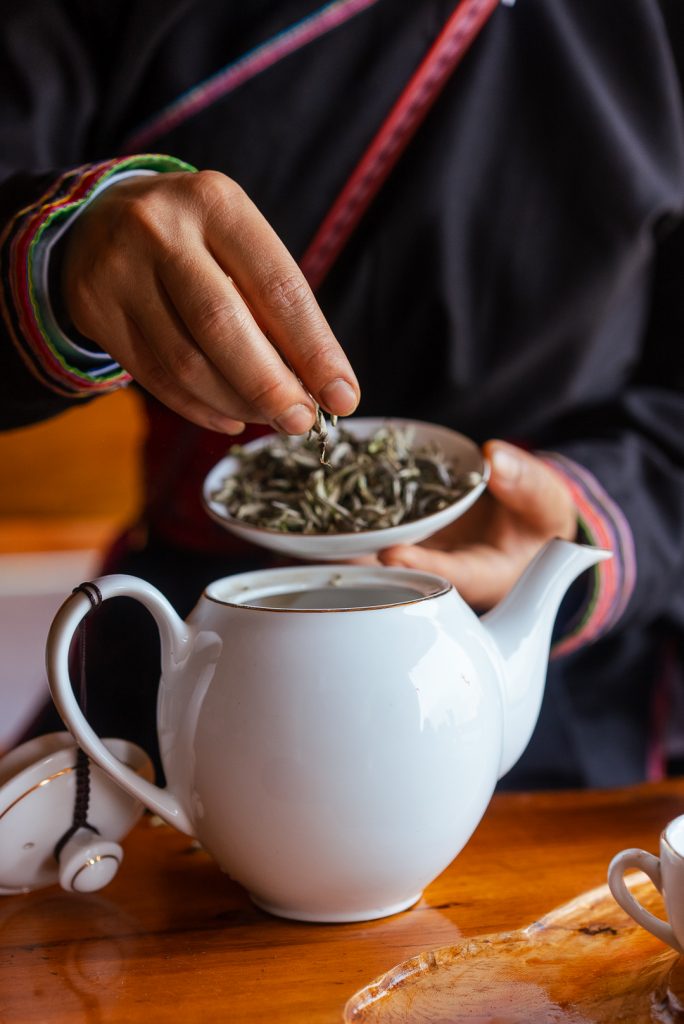
Teapot brewing is the most common and versatile way to enjoy tea. This method allows the leaves to fully open and release their flavor, giving you a balanced, uniform cup every time.
Equipment Needed: Western or Asian teapot (>200 mL), tea cup/mug
Steps:
- Boil water at the correct temperature.
- Measure 2–4 g tea per 200–500 mL water.
- Steep tea for recommended time (see table below).
- Adjust by adding more water or steeping slightly longer if the taste is too light.
Steeping Table:
| Tea Type | Water Temperature | Steeping Time |
|---|---|---|
| White tea | 80–95 °C | 2–5 min |
| Green tea | 80–85 °C | 2–3 min |
| Black tea | 100 °C | 4–5 min |
| Raw Pu’erh (Sheng) | 85–100 °C | 3–4 min |
| Ripe Pu’erh (Shou) | 100 °C | 3–5 min |
Method 3: Gong Fu Cha Brewing (Traditional Chinese Style)
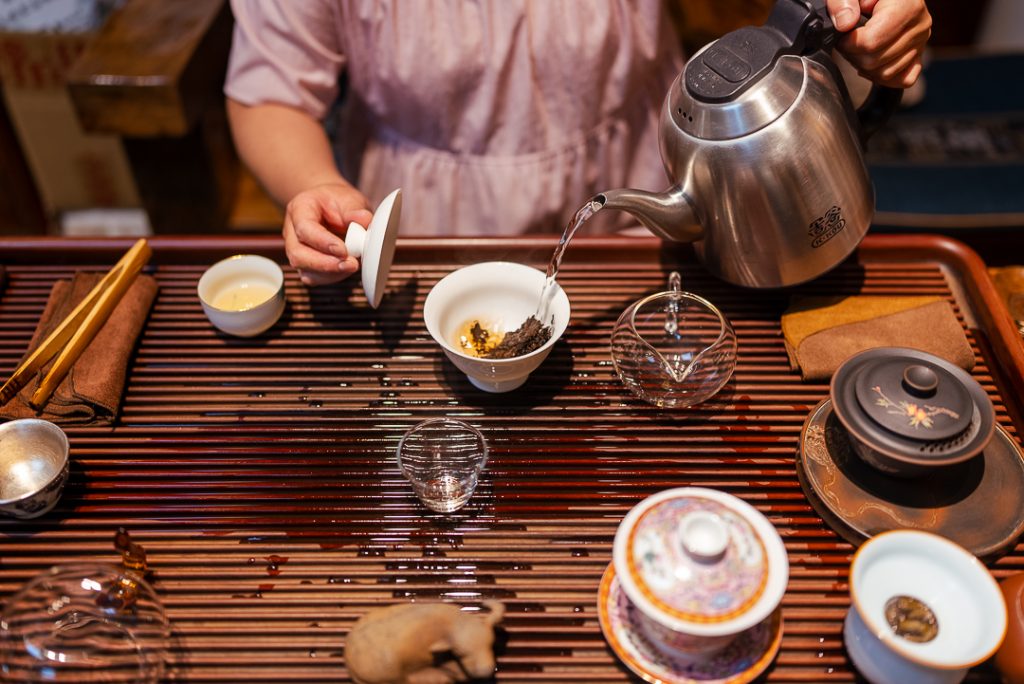
Gong Fu Cha, literally “making tea with skill,” is a traditional Chinese brewing method that transforms tea drinking into a mindful ritual. Unlike a simple steep in a mug, Gong Fu brewing is about precision, patience, and fully engaging the senses— utilising smaller vessels allow for multiple short infusion revealing the tea’s evolving flavors over time.
Gong Fu brewing is ideal for oolong, black and pu-erh teas, revealing layered flavors and making multiple infusions a rich, mindful experience.
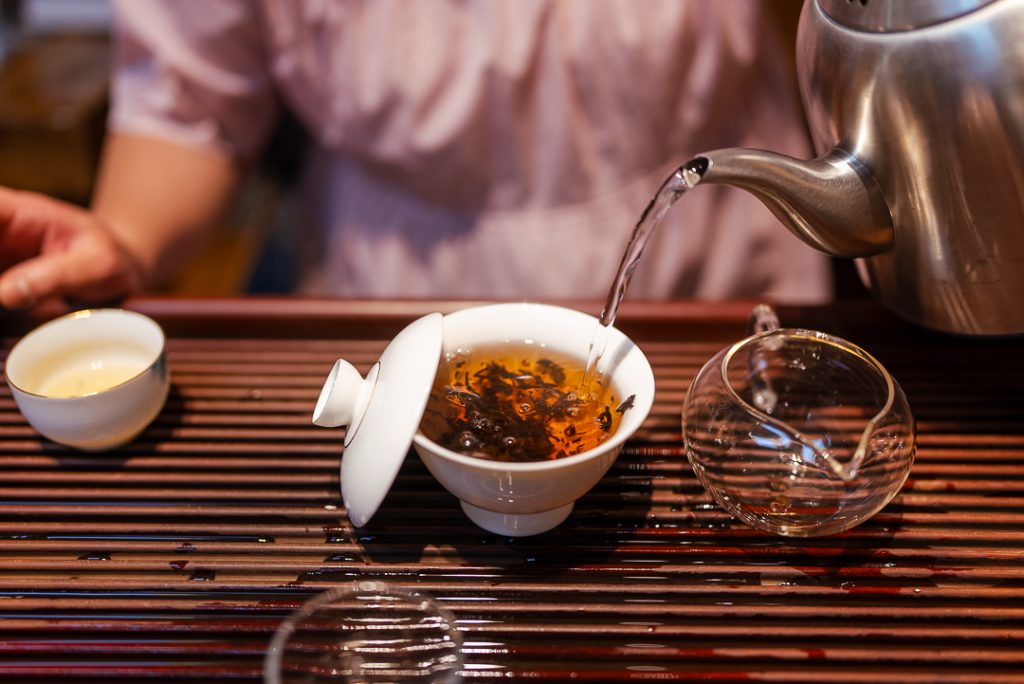
Equipment Needed: Small Asian teapot or gaiwan, fairness pitcher, tea cups
Steps:
- Boil water at the correct temperature (see table below).
- Measure 3–5 g tea (≈1–2 tsp).
- Flash rinse: Quickly pour water through tea into another vessel to prevent over-steeping.
- Warm all tea vessels by swilling hot water through them, then discard rinse.
- Brew with short infusions (100–150 mL, 5–30 s), pour into fairness pitcher to serve.
- Repeat steeping, gradually increasing infusion times as flavors lighten.
Tea Temperature Guide:
| Tea Type | Water Temperature |
|---|---|
| White tea | 80–95 °C |
| Green tea | 80–85 °C |
| Black tea | 100 °C |
| Raw Pu’erh (Sheng) | 85–100 °C |
| Ripe Pu’erh (Shou) | 100 °C |
3. Tips for the Perfect Cup
- Taste your tea as it brews to find your preferred strength.
- Multiple infusions unlock deeper flavors, especially for oolong, black tea and pu-erh.
- Experiment with water temperature and steeping time to match your taste.
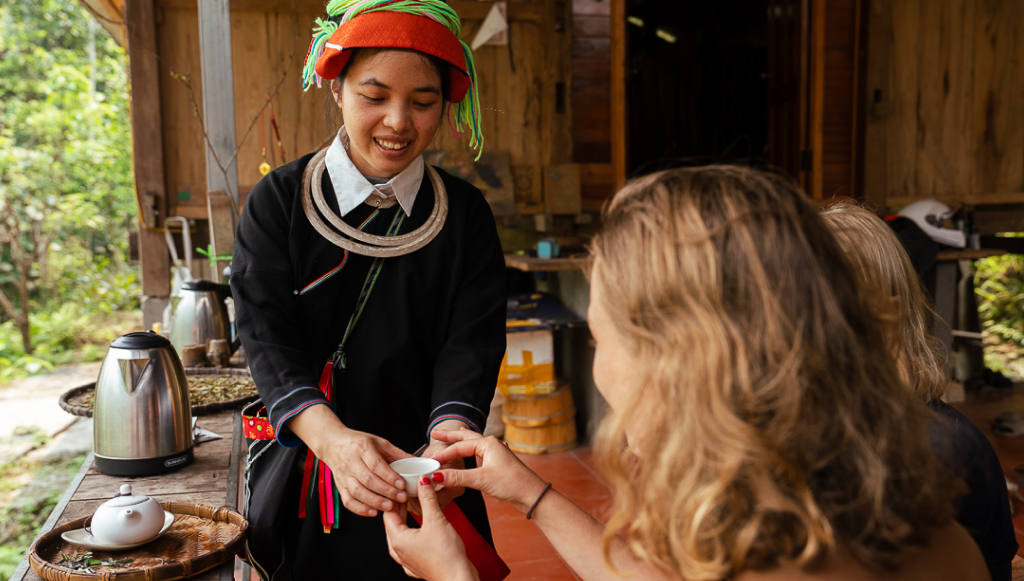
- Enjoy the ritual—observe the leaves, inhale the aroma, and sip with awareness.
Brewing tea can be an art and science, however it’s sometimes better to just enjoy yourself don’t think too much and be found in flow. Drink tea.