
Introduction: More Than Just a Drink
You’ve had tea and thought about the the way it tastes, but have you ever thought about how it makes you feel? Here we explore Cha Qi (茶气)—the life force, of tea.
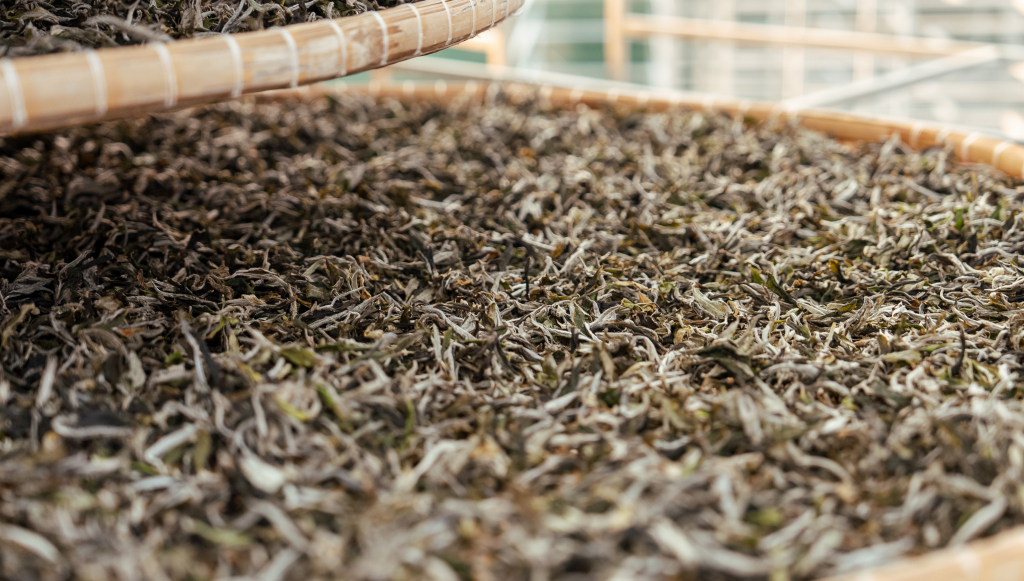
What is Cha Qi: Is it real?
Literally translating to “tea energy,” Cha Qi is the sum of the physiological and subtle effects a tea has on your body and mind.
“Cha Qi” (茶气) is a central concept in traditional Chinese tea culture. It is closely tied to the Chinese philosophy of Qi (气), the life force or vital energy believed to flow through all living things, which is rooted in traditional Chinese medicine and Daoist philosophy.
Qi sounds a lot like the “force” in Star Wars. Yes it kinda is, a lot of the themes in Star Wars is based on eastern philosophy. However it is not as make believe as it seems, sometimes words cannot simply explain what is felt. Sometimes feelings don’t need explanation.
The Spirituality of Tea in Many Cultures?
Tea has long been appreciated as a meditative and spiritual practise in buddhism and Daoism. Monks in Korea, China, Japan meticulously prepare and consumption of tea as a form of meditation, these actions are so refined that they are sometimes referred as tea ceremonies. The act of brewing and drinking tea is a spiritual practise that aids in monks staying alert.
Tea is also very sacred to the many native ethnic groups where the tea tree is endemic. The Yao, Dai, Wa, Hmong, Bulang, Lahu and many more have spiritual practises, rituals and traditions centred around tea.
How to Recognise Cha Qi:
Before explaining the sensations you may experience from cha qi. Please understand that the experience of Cha Qi is highly subjective, varying from person to person based on individual body constitution and sensitivity.
1. Physical Sensations
- Warm Surge: Warmth or a heating sensation in the body (often starting from the chest or abdomen and spreading outward).
- Relaxation: A feeling of relaxation and unwinding of tension.
- “tea drunk” (cha zui): feeling, similar to a mild, pleasant intoxication.
2. Energetic & Emotional Effects:
- Mental Clariy and Focus: There is a noticeable shift in your mental state— a heightened mental alertness without the jitteriness despite the caffeine within the tea.
- Meditative Calm: A meditative state of mind is induced with a noticeable sense of clarity, focus and calm.
- Elevated Wellbeing: A feeling of contentment, and harmony. In some cases even a sense of euphoria or a slight elevation in mood and overall better sense of well being.
What Influences Cha Qi?
Not all teas possess Cha Qi equally. Its character and intensity are shaped by several key factors:
1. Tea Origin & Terroir
The tea’s growing environment is the foundational source of its inherent energy.
- Tree Age & Cultivar: Older trees with deeper roots – Older trees with deeper root systems access unique minerals and produce a broader spectrum of compounds. Their slow growth also leads to greater energy concentration in the leaves. More specifically Gushu and Dashu. Clonal, terrace grown bushes are typically less powerful.
- Biodiverse Ecosystem: Trees growing in balanced, wild mountain forests—as opposed to monoculture plantations—benefit from rich soil and symbiotic relationships with other plants. Because they have shade, insects, companion plants, these all stress the plant in a positive way and enrich the plant forcing it to developricher complex internal chemistries. This natural environment contributes to a tea’s “vitality” and layered chemical profile, resulting in a more refined and powerful Cha Qi.
2. Processing & Craftsmanship
The artisan’s skill determines whether the potential within the leaf is fully preserved and expressed.
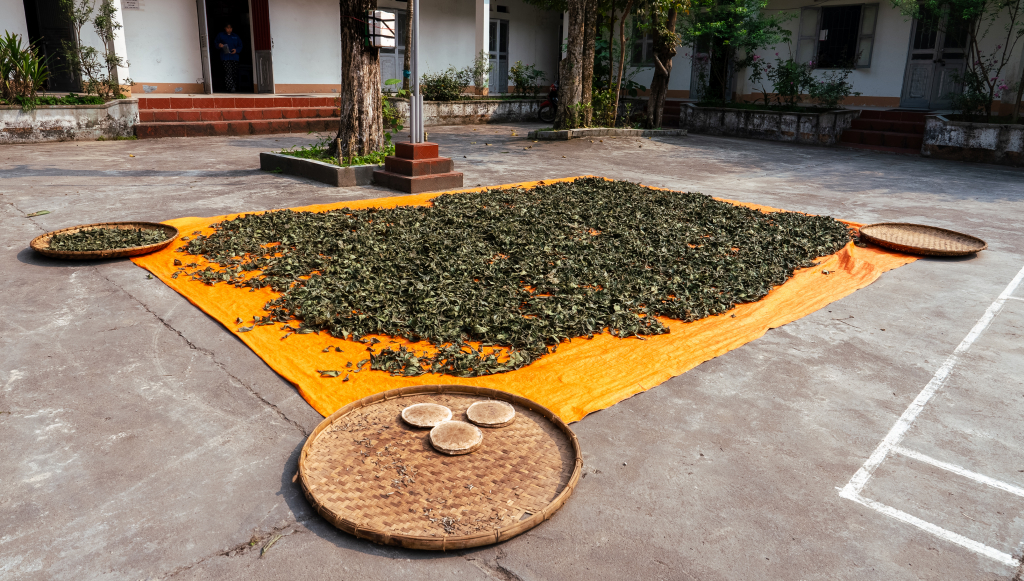
- The Maker’s Touch: Precise control over each step—withering, sha qing (kill-green), rolling, and drying—is essential. This craftsmanship “locks in” the tea’s vital energy and shapes its final character. Poor processing can dissipate or distort a tea’s Qi.
3. Aging & Storage
For certain teas (notably Pu-erh and some oolongs), time itself is a transformative factor.
- The Alchemy of Time: Proper aging under suitable conditions (involving controlled temperature, humidity, and airflow) can mellow and transform a tea’s Qi. Over years, a tea with a rough or aggressive energy can evolve, developing a deep, smooth, and profoundly grounding effect.
Conclusion
Ultimately, the true understanding of Cha Qi does not come from words from a blog, but from awareness in the moment. It’s a personal conversation between your spirit and tea that goes beyond. Sometimes words cannot simply explain what is felt. Sometimes the most profound feelings don’t need an explanation at all; they just need to be experienced. Sometimes it’s just found in flow.